Failure rates eating your budget: 10 GB for $10 to measure it on your target
Novice users across the world are normally choosing between Public and Dedicated (or Private) Proxies. And while the Public proxies may come for free, their use often creates problems related to security and abuse.
You must have heard the terms "proxy" and "proxy server" many times. In this post, we will tell you how to select the right proxy and why it can be useful not only for an IT specialist but also for an ordinary Internet user.
You might have already heard about proxies and proxy servers in case you are actively using the Internet. But if you lack some knowledge about it and ask yourself frequently “what is a proxy?” and “how does a proxy server work?”, this article will help you catch up with this web technology and reveal all the benefits of using proxy servers.
This technology will help you access blocked resources and ensure your anonymity on the Web.
It is always a very tricky question about what type of proxy would be right for you. Especially, if we are talking about protocols that the proxies are running on. With Socks5 proxies you can be sure that you are using the top-of-the-line servers that the industry has to offer.
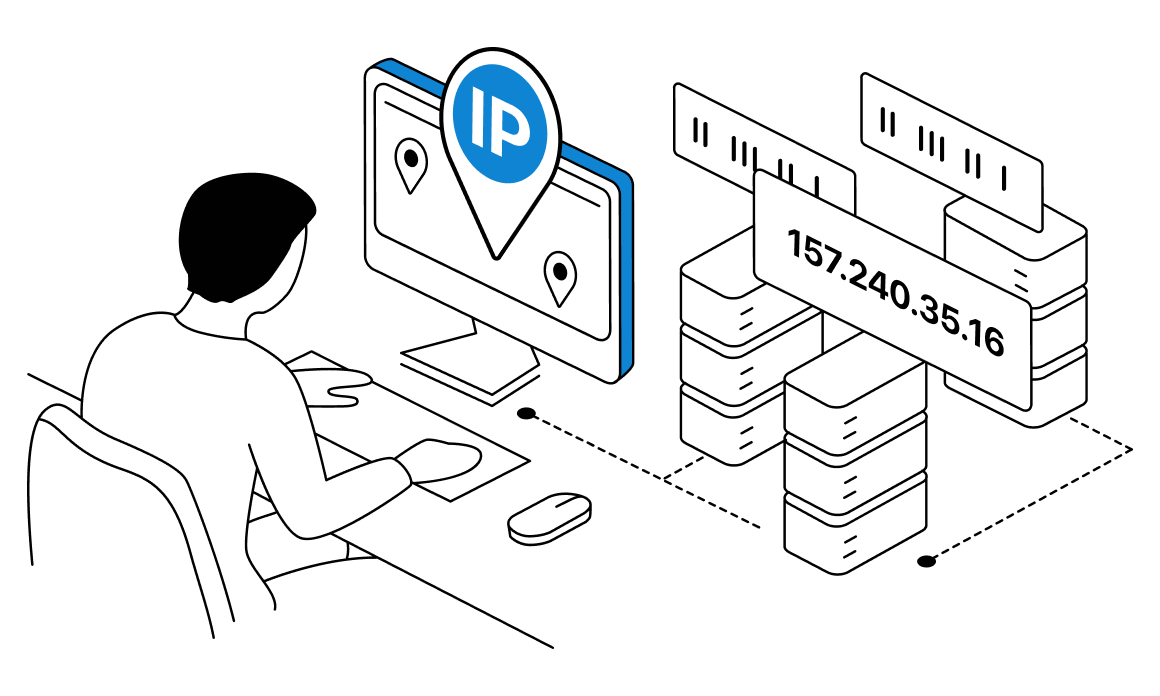
From our articles you might have learnt several times about the IP address and how every device connected to the Internet should have one in order to send or receive data. Also, you might have noticed that each such IP is followed by a colon and a number from 0 to 65535 that is called a port number.
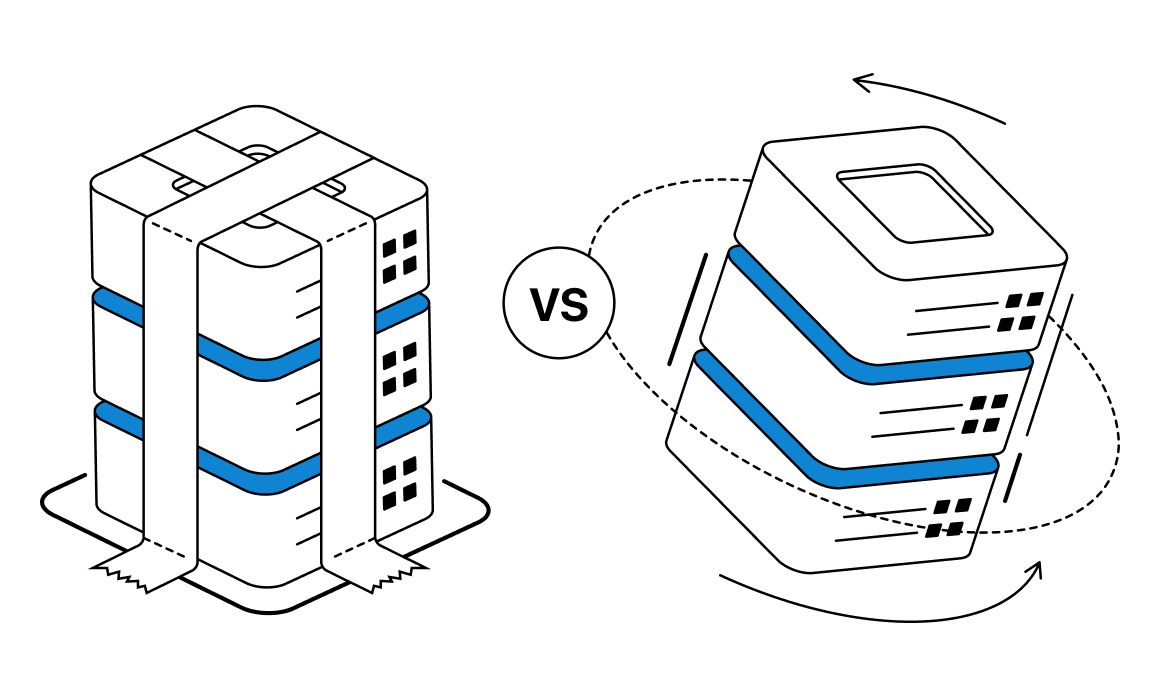
Rotating your proxy IP can be a very helpful function during your scraping or parsing missions on the Web. However, in some select cases, you may need to use proxies with unchanging IP sessions (see residential ip address) instead of a new IP on each connection. This is exactly when you will require the functionality of sticky proxies.


Novice users across the world are normally choosing between Public and Dedicated (or Private) Proxies. And while the Public proxies may come for free, their use often creates problems related to security and abuse.